Key takeaways
- Natural rubber mats give the best grip, even when your hands are damp, so you stay steady in every pose.
- Everyday 6mm mats offer the best value, feel light to roll and wipe clean after each session.
- Cork mats grip better when damp, making them the pick for hot sessions and sweaty flows.
- Thick 10 to 15mm exercise mats suit home workouts, cushioning knees, hips and spine, though they are too soft for balance poses.
- Yoga can improve flexibility and balance (moderate evidence). NHS guidelines advise strength, balance and flexibility activities on at least 2 days a week (strong evidence).
Christmas shortlist · checked by a qualified personal trainer
The best yoga mats in the UK, by type
Five kinds of mat for yoga, Pilates and home workouts. Pick your type, then compare today's mats on Amazon.
| Pick | Best for | Key facts | Shop |
|---|---|---|---|
| Best gripNatural rubber yoga mat | Sweaty flows and standing poses |
| Shop range |
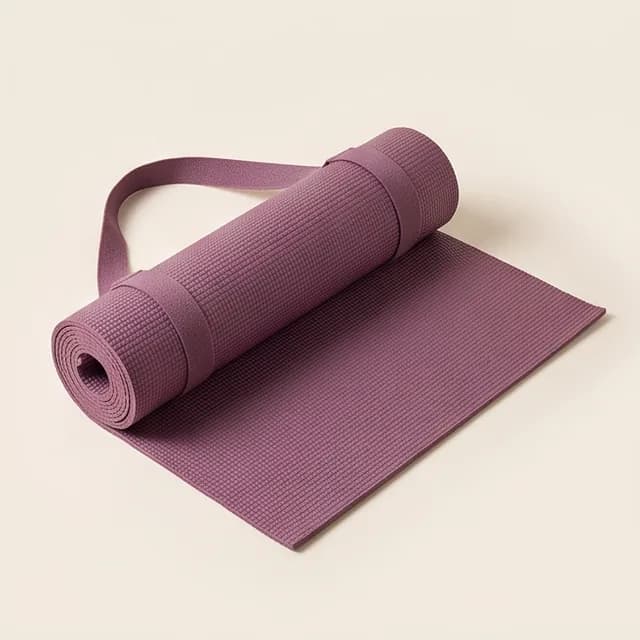 Best valueEveryday 6mm yoga mat | Beginners and mixed home workouts |
| Shop range |
| Best for hot sessionsCork yoga mat | Hot yoga and people who sweat a lot |
| Shop range |
| Best for home workoutsThick exercise mat (10–15mm) | Core work, stretching and kneeling moves |
| Shop range |
| Best for travelFolding travel yoga mat | Hotels, holidays and gym bags |
| Shop range |
- 01
Best grip
Natural rubber yoga mat
Perfect for: Sweaty flows and standing poses
- Grippy, even when your hands are damp
- Dense and stable underfoot
- Heavier to carry than foam
Bez's take · Grip is the thing people notice most. If you slip on your mat now, this fixes it.
Bez's pick in this group: Liforme Classic Yoga Mat Shop the range on Amazon - 02
Best value
Everyday 6mm yoga mat
Perfect for: Beginners and mixed home workouts
- Light and easy to roll
- Cushioned for knees and hips
- Wipes clean after a session
Bez's take · Does everything a beginner needs. Spend more only once you know what you love.
Bez's pick in this group: Manduka PRO Yoga Mat 6mm Shop the range on Amazon - 03
Best for hot sessions
Cork yoga mat
Perfect for: Hot yoga and people who sweat a lot
- Cork grips better when it's damp
- A natural feel underfoot
- A rubber base stops it sliding
Bez's take · Cork is a clever pick for sweaty sessions, and it doesn't hold on to smells.
Shop the range on Amazon - 04
Best for home workouts
Thick exercise mat (10–15mm)
Perfect for: Core work, stretching and kneeling moves
- Extra cushioning for knees, hips and spine
- Often comes with a carry strap
- Too soft for balance poses
Bez's take · My pick for floor work at home. Your knees will thank you during planks and crunches.
Shop the range on Amazon - 05
Best for travel
Folding travel yoga mat
Perfect for: Hotels, holidays and gym bags
- Thin and light enough to fold into a bag
- Grippy on top of a carpet or a studio mat
- Less cushioning than a full mat
Bez's take · Keeps your routine going on the road. Pair it with a towel for extra comfort.
Shop the range on Amazon

The short answer
The best yoga mat depends on where and how you train. For grip, pick a natural rubber mat. For everyday value, a 6mm mat is hard to beat.
Yoga can improve flexibility and balance (moderate evidence). A mat that stops you sliding lets you focus on the pose. Bez picks by grip, thickness, length, weight and care.
Find your type fast:
- Natural rubber yoga mat: Best if you want the most grip, even when your hands are damp. Bez's pick: Liforme Classic Yoga Mat.
- Everyday 6mm yoga mat: Best if you want good value. Light, easy to roll, and wipes clean. Bez's pick: Manduka PRO Yoga Mat 6mm.
- Cork yoga mat: Best for hot sessions. Cork grips better when damp.
- Thick exercise mat (10 to 15mm): Best for home workouts. Extra cushioning for knees, hips and spine. Too soft for balance poses.
- Folding travel yoga mat: Best for travel. Folds into a bag. Less cushioning than a full mat.
Use the comparison and buttons above to find your match.
How to choose a yoga mat
Bez checks six things when he picks a mat. Work through this table before you buy.
| What to check | What good looks like | Why it matters |
|---|---|---|
| Grip, dry and damp | Stays put when your hands and feet are dry, and when they are sweaty | Slipping ruins balance poses and can cause falls |
| Thickness | 4 to 6mm for yoga. 10 to 15mm for floor workouts | Thin gives you feel and balance. Thick gives knees, hips and spine a softer landing |
| Length and width | Long enough for your whole body, wide enough to move your arms | A mat that is too short leaves your heels or head hanging off |
| Weight to carry | Light enough that you will actually bring it to class | The best mat is the one you use |
| Material and care | Natural rubber grips well. Cork grips better when damp | Good care keeps your mat clean and grippy for longer |
| How it feels on hard floors | Firm, stable and cushioned enough for knees and hips | Hard floors feel uncomfortable without enough cushioning |
Yoga can improve flexibility and balance (moderate evidence). Wipe your mat after each session. Dry it flat or hanging, out of direct sun. Natural rubber can smell at first and may not suit anyone with a latex allergy. Bez's picks: the Liforme Classic Yoga Mat for grip, and the Manduka PRO Yoga Mat 6mm for everyday use.
Use your yoga mat safely and get more from every session
Your mat helps you hold poses steady. Use it well, and you will get more from every session.
Yoga can improve flexibility and balance (moderate evidence). Grip matters here. A mat that stays put lets you focus on your breathing and form.
Match the mat to the job. Cork grips better when it's damp, so it suits hot sessions. A thick exercise mat (10 to 15mm) gives extra cushioning for knees, hips and spine, but it is too soft for balance poses. A folding travel yoga mat folds into a bag for trips.
Adults should do activities that improve strength, balance and flexibility on at least 2 days a week (strong evidence, NHS guidelines). Yoga fits that goal. For strength, try simple home workouts that need no kit.
Look after your mat so it lasts:
- Wipe it after each session.
- Dry it flat or hanging, out of direct sun.
- Natural rubber can smell at first. If you have a latex allergy, choose a different type.
Start with a gentle warm-up, and move slowly into new poses. You can read more in how to warm up before a workout.
General information, not medical advice.
Sources & further reading
- Physical activity guidelines for adults aged 19 to 64 · NHS
- Strength and flexibility exercises · NHS
- Exercise · NHS
Citations are provided for transparency. This is general information, not medical advice — always consult a qualified professional about your own circumstances.